Attorneys for Federal Employees — Nationwide
Nearly 200,000 federal workers and supporters follow our updates across TikTok, Instagram, YouTube, Facebook, and LinkedIn. Each briefing gives you the three stories that actually matter to your job, plain‑English legal guidance, and one short practice to protect your peace of mind. If it helps you, forward it to a colleague—new readers can subscribe at https://fedlegalhelp.com/newsletter.
Today at a Glance
- FY26 funding package: Final budget language can quickly change hiring, staffing, and office plans.
- Remote work & exceptions: Telework/remote work is not one-size-fits-all—policy, union rights, and disability accommodation are different paths.
- TSP Roth conversions: A new option starts Jan. 28, but the tax impact can surprise people.
Top Stories:
1. FY26 Funding Package: What the Final Deal Could Change at Your Agency
Source: Government Executive — January 21, 2026
TL;DR: Lawmakers reportedly reached agreement on the full FY26 funding package. Even if you don’t work in budget, the fine print can drive staffing and day-to-day operations.
For federal employees, this means:
- You may see fast changes tied to budget language—hiring freezes, backfills, reassignments, training limits, travel limits, or contract changes.
- “Because Congress said so” is not enough—ask for the written source (bill section or agency guidance) and keep it.
- Watch for agency-level memos about staffing levels, program changes, and office footprint decisions.
Legal Insight:
Appropriations bills can restrict how agencies spend money and staff programs. If leadership cites funding for a staffing move, ask HR in writing what options apply (placement assistance, priority consideration, union bargaining obligations, and any appeal rights). Save every notice and memo, and keep a timeline of when you were told what. Because deadlines can be short, consider talking with your union and a qualified federal employment attorney.
2. Remote Work and “Exceptions”: One Agency Loosens Rules, Another is Told to Consider Them
Source: Federal News Network — January 16, 2026
TL;DR: One Department of Labor component (OWCP) is offering remote work for certain roles, while an arbitration decision directed CMS to meet with AFGE about exceptions and impacts tied to return-to-office plans.
For federal employees, this means:
- Remote work and in-office requirements may differ by component and position—don’t assume broad announcements apply the same way to you.
- If you’re in a bargaining unit, there may be union rights tied to changes in working conditions.
- If you need an exception for medical reasons, that is a separate process from normal telework policy.
Legal Insight:
Three things often get mixed up: (1) standard telework/remote-work policy, (2) union impact-and-implementation bargaining, and (3) disability reasonable accommodation under the Rehabilitation Act. If your reporting requirements change, keep the memo, note the effective date, and ask in writing what criteria are used and who approves exceptions. If you need a medical exception, follow the reasonable accommodation process and keep copies of requests and decisions. Because deadlines can be short, consider talking with your union and a qualified federal employment attorney.
3. TSP: Roth Conversions Start January 28—Use Caution
Source: FedSmith — January 20, 2026
TL;DR: TSP Roth conversions are expected to become available January 28, 2026. The option can help some people, but it can also trigger an unexpected tax bill.
For federal employees, this means:
- A Roth conversion is a tax decision, not just a retirement account setting.
- Converting can raise your taxable income for the year, which may change your withholding and tax bracket.
- If you’re close to retirement or separation, timing matters even more.
Legal Insight:
TSP and IRS rules control how Roth conversions work, and mistakes can be costly. Before acting, confirm the details through official TSP communications and consider talking with a qualified tax professional. Keep your confirmation records, year-end tax forms, and notes about why you made the decision and what you expected. If employment issues overlap (retirement timing disputes, separation, or agency actions affecting retirement planning), consider talking with your union and a qualified federal employment attorney.
Legal Tip of the Day
Telework, Schedules, and "Policy Drift"
Telework and flexible schedules often start with clear rules, then slowly morph through informal side agreements. To protect yourself, keep copies of your original telework agreement, any written approvals for schedule changes, and key emails about when and how you’re expected to be available. If a new supervisor tries to enforce unwritten rules or claims you were “out of position,” your documents may be critical. Don’t rely on “everyone knows how we do it” as your only protection. If changes to telework or schedule feel unfair or targeted, our office can help you assess whether there are legal issues beneath the surface.
In Case You Missed It
A few quick hits from our recent videos and posts:
The Government Admitted It Lost Track of Social Security Data
|

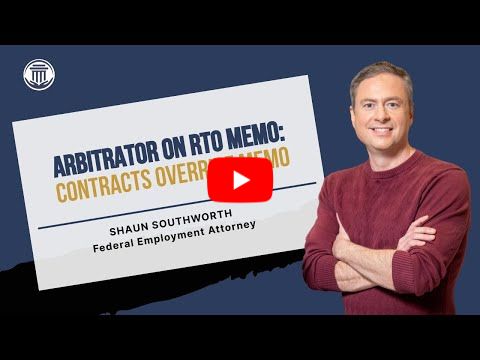
HHS Telework Order Blocked by Arbitration Ruling
|
What Trump v. Cook Signals for Federal Job Protections
|

Can ICE Force Entry Without a Judge’s Warrant?
|

Worried About Retaliation or Being Targeted for Speaking Up?
If you’ve reported misconduct, safety concerns, discrimination, or waste/fraud/abuse—and now you’re seeing sudden schedule changes, bad performance reviews, or threats of discipline—you may be in whistleblower or retaliation territory.
We represent federal employees who:
-
Reported concerns and then saw adverse actions
-
Were sidelined, reassigned, or given impossible workloads after speaking up
-
Face investigations, PIPs, or proposed removals that look like payback
-
Need help navigating OSC complaints, EEO claims, or MSPB appeals tied to retaliation
A free, confidential consultation can help you sort out what’s normal agency behavior and what may cross the line—and what to do before your options narrow.
👉 Schedule Your Free Consultation Today
|

Disclaimer:
This briefing is for general informational purposes only and does not constitute legal advice or create an attorney‑client relationship. Federal employment law is fact‑specific and time‑sensitive; you should consult a qualified attorney about your own situation and deadlines. Past results do not guarantee future outcomes.
Your service is worth protecting. Let's protect it together at Southworth PC.

Responses