Attorneys for Federal Employees — Nationwide
Nearly 200,000 federal workers and supporters follow our updates across TikTok, Instagram, YouTube, Facebook, and LinkedIn. Each briefing gives you the three stories that actually matter to your job, plain‑English legal guidance, and one short practice to protect your peace of mind. If it helps you, forward it to a colleague—new readers can subscribe at https://fedlegalhelp.com/newsletter.
Today at a Glance
- TSA union agreement in the crosshairs again: Potential changes starting Jan. 11, 2026—watch for written notices and court developments.
- VA staffing cuts (mostly vacancies): Hiring and backfilling may tighten through 2026, affecting workload and onboarding timelines.
- OPM final rule on incentives: Agencies may offer larger recruitment/relocation incentives with more flexibility—read service agreements closely.
Top Stories:
1. DHS Moves to Eliminate TSA Collective Bargaining Agreement, Again
Source: Federal News Network — December 12, 2025
TL;DR: DHS/TSA say they plan to rescind the 2024 TSA collective bargaining agreement and shift to a new “labor framework” starting January 11, 2026, while related litigation remains ongoing.
For federal employees, this means:
- If you’re a TSA screener or covered support employee, don’t rely on rumors—watch for written notices about what policies or procedures would change on Jan. 11, 2026.
- Expect potential changes to grievance processes, representational rights, official time, and dues/union processes, depending on what TSA implements and what courts allow.
- Save copies of your current CBA and any local supplements now, so you can compare if changes are announced.
Legal Insight:
TSA labor rights can operate differently than standard Title 5 bargaining rules, and the rules can shift quickly when agency policy and court orders collide. If you receive a notice about bargaining changes, save it and ask for clarification in writing about what is changing and when. Review your current CBA and local procedures so you can identify what protections you may lose—or need to enforce—if TSA claims the agreement is no longer effective. Because deadlines can be short, consider talking with your union and a qualified federal employment attorney.
2. US Veterans Affairs Agency Plans Health Care Job Cuts, WaPo Reports
Source: Reuters — December 13, 2025
TL;DR: Reuters reports VA plans to eliminate 35,000 positions in the Veterans Health Administration by the end of 2026, largely through vacant (unfilled) positions rather than layoffs.
For federal employees, this means:
- If you work at VA, you may see slower hiring/backfills, tighter staffing approvals, and shifting duties as facilities adapt to fewer authorized positions.
- If you’re in the middle of onboarding or hiring, document communications and ask HR for status updates in writing (position still funded, start date still approved, etc.).
- Even vacancy reductions can increase workload—track schedule changes and expectations so you have a clear record if conditions shift quickly.
Legal Insight:
Workforce cuts can happen through canceled vacancies, delayed hiring, reassignments, or sometimes a formal RIF. If your office changes schedules, duties, or staffing patterns, check whether your bargaining unit contract requires notice and bargaining over how changes are implemented. If you receive a formal RIF notice, proposed removal, or a directed reassignment you can’t accept, preserve the paperwork and calendar every deadline listed. Because deadlines can be short, consider talking with your union and a qualified federal employment attorney.
3. Recruitment and Relocation Incentive Waivers (Final Rule)
Source: Federal Register (OPM) — December 15, 2025
TL;DR: OPM issued a final rule giving agencies more authority to approve waivers for higher recruitment and relocation incentives, and more flexibility on recruitment incentive service periods. Effective date: February 13, 2026.
For federal employees, this means:
- Candidates and employees asked to relocate may start seeing larger incentive offers without the same approval bottlenecks.
- Service periods may be shorter than 6 months (but not more than 4 years)—read the service agreement carefully.
- If you accept an incentive, confirm payout timing and understand when repayment is triggered if you leave early.
Legal Insight:
These incentives are tied to 5 U.S.C. §§ 5753 and 5754 and implemented through 5 C.F.R. Part 575, and they require a written service agreement. Before you accept an incentive, ask for the agreement in writing and look for repayment terms—many agreements require payback if you leave before completing the service period. Keep copies of the incentive memo, the signed agreement, and emails about eligibility, because disputes often come down to what was promised and what was signed. If you believe incentives are being applied unfairly or inconsistently, consider raising questions with HR and (if you’re covered) your union.
Help us feed the DMV, this Saturday.

Legal Tip of the Day
Dealing with Harassment or Discrimination
If you believe you’re being harassed or treated differently because of your race, sex, age, disability, religion, national origin, or other protected status, quietly start documenting specific incidents: dates, comments, witnesses, and how it affected your work. Consider reporting it through at least one official channel—your supervisor, higher management, HR, or EEO—following your agency’s policy. Save copies of complaints and responses. Avoid responding in kind, even when you’re angry; that can be used against you later. These are emotionally heavy situations, and the legal standards can be confusing. If you’re unsure whether what you’re experiencing crosses the legal line, our firm can help you sort through it.
In Case You Missed It
A few quick hits from our recent videos and posts:
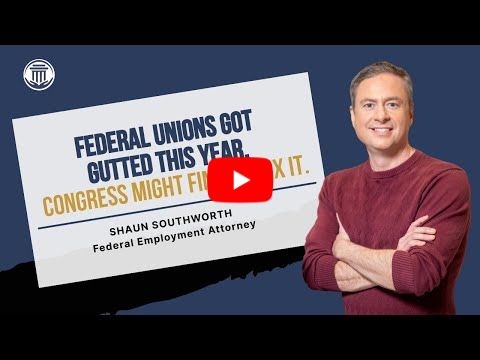
Can Congress Restore Federal Union Rights in 2025?
|
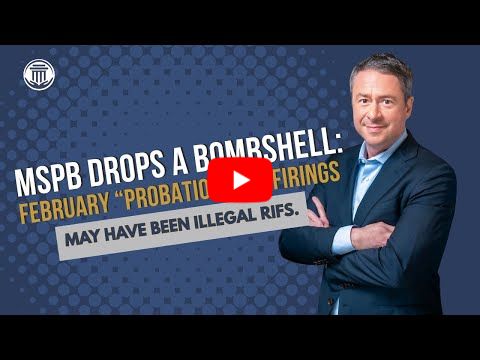
MSPB Certifies Rare Class Appeals for HUD and OPM Probationary Firings
|
Need Help with Discipline or Performance?
If you’ve just been put on a PIP, received a proposed suspension or removal, or are worried your “coaching” has turned into a paper trail, it’s time to get real advice—not just hallway rumors.
At Southworth PC, we represent federal employees nationwide in:
-
Proposed discipline and removals
-
Performance issues and PIPs
-
EEO discrimination, harassment, and retaliation
-
Whistleblower and civil rights matters
-
MSPB, EEOC, and OSC cases
-
OPM/FERS disability retirement applications (flat‑fee full‑service assistance)
In a free, confidential consultation, you speak directly with an attorney about your timeline, key documents, and options. Deadlines can be quick in the federal sector, so if you have a deadline, don’t wait.
👉 Schedule Your Free Consultation Today
|

Disclaimer:
This briefing is for general informational purposes only and does not constitute legal advice or create an attorney‑client relationship. Federal employment law is fact‑specific and time‑sensitive; you should consult a qualified attorney about your own situation and deadlines. Past results do not guarantee future outcomes.
Your service is worth protecting. Let's protect it together at Southworth PC.

Responses