Attorneys for Federal Employees — Nationwide
Nearly 200,000 federal workers and supporters follow our updates across TikTok, Instagram, YouTube, Facebook, and LinkedIn. Each briefing gives you the three stories that actually matter to your job, plain‑English legal guidance, and one short practice to protect your peace of mind. If it helps you, forward it to a colleague—new readers can subscribe at https://fedlegalhelp.com/newsletter.
Today at a Glance
- Telework as a disability accommodation: New EEOC/OPM FAQs stress the “interactive process” and written documentation.
- Proposed 2027 pay raise: A 4.1% proposal is back in Congress—use it as a planning signal, not a promise.
- Career backup option: A job-matching platform may help public servants stay in public service if things shift.
Top Stories:
1. EEOC and OPM Issue FAQs on Telework as a Disability Accommodation
Source: U.S. Equal Employment Opportunity Commission (Press Release) — Feb. 11, 2026
TL;DR: EEOC and OPM released joint FAQs on when telework can be a reasonable accommodation for disability, even during return-to-office changes. The guidance highlights the “interactive process” and consistent, documented decisions. “This guidance tries indirectly to discourage reasonable accommodations and should not be relied upon by supervisors IMHO. We will work on guidance to release to the public that honors the regulatory obligation for federal agencies to be model employers of people with disabilities.” – Shaun Southworth
For federal employees, this means:
- The guidance says you can still request telework as a disability accommodation, even if your agency is pushing return-to-office.
- Expect your agency to ask for job-related details and to document the process more carefully, but none of this change their actual legal obligations.
- If you already have an accommodation, agencies should evaluate changes thoughtfully—not end accommodations automatically.
Legal Insight:
This guidance ties back to the Rehabilitation Act (the main disability law for federal employees) and the ADA standards it uses. Put accommodation requests in writing, and keep copies of anything you submit (medical/functional info, emails, notes from meetings). Ask for the agency’s decision in writing, including any alternatives they offered. Because deadlines can be short, consider talking with your union and a qualified federal employment attorney if an accommodation is denied, changed, or revoked.
2. Democrats Call for a 4.1% Federal Pay Raise in 2027
Source: Federal News Network — Feb. 11, 2026
TL;DR: Lawmakers reintroduced the FAIR Act as an early proposal for a 4.1% average pay increase in 2027 (described as 3.1% across-the-board + about 1% locality). It’s a marker for the debate, not a guarantee.
For federal employees, this means:
- Nothing changes now unless Congress passes a law (or pay is set through the normal executive pay process).
- Treat this as a “watch item” for future budgeting—don’t plan your finances as if it’s locked in.
- Locality pay can matter, so keep an eye on how your duty station is treated.
Legal Insight:
The FAIR Act is proposed legislation, and bills like this often set the starting point for pay negotiations. Your actual pay depends on what is enacted and how pay is implemented. Practical steps: save your SF-50s, confirm grade/step details, and get HR answers in writing if you have pay-setting questions (step, pay cap, premium pay). If you are already in a pay dispute, document everything and consider getting guidance early.
3. Civic Match Offers a “Plan B” to Stay in Public Service
Source: Route Fifty — Feb. 10, 2026
TL;DR: Route Fifty reports on “Civic Match,” a job-matching platform designed to help former federal employees move into state and local government roles. It highlights the transferability of federal skills (operations, HR, budget, and more).
For federal employees, this means:
- If you’re worried about job stability, you can explore options before you’re in a crisis.
- Having your resume and records ready can help you move faster if needed.
- If you separate, the type of separation can affect benefits and future eligibility—get it in writing.
Legal Insight:
There’s no new legal rule here, but the practical risk is real: transitions go smoother when your paperwork is clean. Keep copies of SF-50s, performance reviews, position descriptions, and any separation/retirement documents. Confirm in writing whether a separation is a RIF, resignation, or retirement—that label can matter. If you’re being pushed to “decide now” about separation terms, slow down and consider talking with your union and a qualified federal employment attorney.
Mindful Moment of the Day
Two‑Minute Cubicle Reset
Cluttered cubicles and desks can make your brain feel as scattered as your file piles. Set a timer for two minutes and mindfully clear just one small area—maybe around your keyboard or one corner of your desk—putting away forms, highlighters, and sticky notes while staying aware of your breath. Each item you move is like a tiny exhale, a bit of order returning. You’ll sit back down with more mental space, even if the rest of the office still looks like a paper factory.
In Case You Missed It
A few quick hits from our recent videos and posts:
Schedule Policy/Career: Loss of Loan Repayment & Incentives
|

RIFs May Restart After Feb. 13: What Feds Should Do Now
|

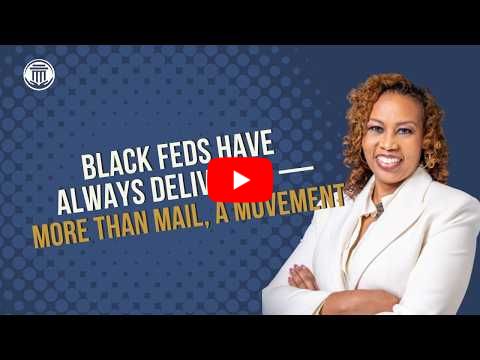
Black Postal Workers and Federal Legacy
|
Musk’s Deposition Order Explained
|

Worried About Retaliation or Being Targeted for Speaking Up?
If you’ve reported misconduct, safety concerns, discrimination, or waste/fraud/abuse—and now you’re seeing sudden schedule changes, bad performance reviews, or threats of discipline—you may be in whistleblower or retaliation territory.
We represent federal employees who:
-
Reported concerns and then saw adverse actions
-
Were sidelined, reassigned, or given impossible workloads after speaking up
-
Face investigations, PIPs, or proposed removals that look like payback
-
Need help navigating OSC complaints, EEO claims, or MSPB appeals tied to retaliation
A free, confidential consultation can help you sort out what’s normal agency behavior and what may cross the line—and what to do before your options narrow.
👉 Schedule Your Free Consultation Today
|

Disclaimer:
This briefing is for general informational purposes only and does not constitute legal advice or create an attorney‑client relationship. Federal employment law is fact‑specific and time‑sensitive; you should consult a qualified attorney about your own situation and deadlines. Past results do not guarantee future outcomes.
Your service is worth protecting. Let's protect it together at Southworth PC.

Responses