Attorneys for Federal Employees — Nationwide
Nearly 200,000 federal workers and supporters follow our updates across TikTok, Instagram, YouTube, Facebook, and LinkedIn. Each briefing gives you the three stories that actually matter to your job, plain‑English legal guidance, and one short practice to protect your peace of mind. If it helps you, forward it to a colleague—new readers can subscribe at https://fedlegalhelp.com/newsletter.
Today at a Glance
-
317,000 jobs cut in 2025 – OPM says workforce cuts already beat the administration’s goal.
-
2026 pay raise: 1% plan – Congress leaves room for Trump’s alternative pay plan to go forward.
-
OPM memo on discipline – New guidance may make supervisors more willing to use PIPs and removals.
Top Stories:
1. OPM: Federal Workforce Cuts Beat 2025 Target
Source: Federal News Network — November 25, 2025
TL;DR: OPM Director Scott Kupor says about 317,000 federal employees have left government in 2025, while only about 68,000 have been hired, exceeding the goal of cutting 300,000 positions and bringing the workforce down to roughly 2.1 million. The cuts are driven by a policy of roughly four departures for every new hire, plus a recent executive order requiring detailed annual staffing plans.
For federal employees, this means:
- Agencies are under pressure to hit aggressive headcount and restructuring targets, even if your office’s mission has not changed.
- You may see more reorganizations, non‑renewals, downgrades, or RIF‑related moves tied to “staffing plans.”
- How your position is written on paper (PD, series, grade, location) may affect whether it is flagged in a plan.
Legal Insight:
These cuts are anchored in President Trump’s executive order “Ensuring Continued Accountability in Federal Hiring” and OPM’s blog explaining annual staffing plans and “Strategic Hiring Committees.” If you receive a RIF notice, forced reassignment, downgrade, or are told your job is “going away,” keep every notice and email and ask HR in writing why your position was selected under the plan. Calendar every deadline in the notice (MSPB, EEO, and grievance timelines), keep recent appraisals and your PD, and consider talking with your union and a federal employment attorney as soon as you see a written action, because the timelines can be very short.
2. 2026 Pay Raise: 1% Plan and Special Rates for Some Law Enforcement
Source: FedWeek — November 25, 2025
TL;DR: FedWeek reports that the Senate’s general government bill, like the House version, is silent on a 2026 pay raise, which lets President Trump’s “alternative pay plan” proceed: a 1% across‑the‑board raise and potential 3.8% increases for certain law‑enforcement positions through special‑rate authority. The bill also adds some reporting requirements for OPM while dropping several House riders on FEHB, DEI training, and TSP investments.
For federal employees, this means:
- Unless Congress later changes it, you should expect about a 1% raise in January 2026.
- Some law‑enforcement positions may get higher increases once OPM issues its final special‑rate list.
- You should watch for any final bill riders that change FEHB/PSHB coverage, training rules, or TSP options.
Legal Insight:
Under 5 U.S.C. §§ 5303 and 5304a, the president’s August 28, 2025 “alternative pay plan” becomes the default when Congress does not override it in appropriations. That plan is usually implemented by a late‑year pay order and new OPM pay tables, which then show up on your LES in January. When your first 2026 LES arrives, check that your pay matches your grade, step, locality, and any special rate, and if pay or benefit changes look wrong, raise it quickly with HR and your union and consider legal advice, because pay claims and benefits disputes can have short windows.
3. OPM Memo on Manager Liability and Performance Actions
Source: FedWeek — November 25, 2025
TL;DR: OPM issued a memo telling managers and supervisors that when they give ratings, use PIPs, or propose performance‑based removals, they act on behalf of the agency, so legal challenges are usually directed at the agency, not them personally. At the same time, the memo reminds managers they can still face internal consequences for discrimination, harassment, or retaliation, and points them toward professional liability insurance, which agencies must reimburse up to half for eligible employees.
For federal employees, this means:
- Supervisors may feel more confident using PIPs, low ratings, and performance‑based removals.
- In most cases, the “official” legal party in a performance or discipline case is your agency, not the individual supervisor.
- Managers can still be held accountable internally if they engage in discrimination, harassment, or whistleblower retaliation.
Legal Insight:
The memo, “Personal Liability for Managers and Supervisors Conducting Personnel Management Functions,” builds on the Civil Service Reform Act (for example, 5 U.S.C. § 4303) and the statute requiring agencies to reimburse part of the cost of professional liability insurance for certain employees. If you are a supervisor, it is a reminder to follow your agency’s procedures closely, document performance issues, and work with HR and counsel, especially where EEO or whistleblower concerns may arise. If you are an employee placed on a PIP or facing a proposed removal or downgrade, save every document, write down all response and appeal deadlines (MSPB, EEO, grievance), and consider contacting your union and a federal employment attorney quickly so you understand your options before any deadline passes.
Legal Tip of the Day
EEO time limits are strict. In many cases, you must contact an EEO counselor within 45 days of the action or event you believe is discriminatory. The clock usually starts when you learn about the decision, like getting a rating or a letter. Keep a simple list of dates, emails, and meetings, and if you think you are close to a deadline, reach out to EEO and consider getting legal advice sooner rather than later.
In Case You Missed It
A few quick hits from our recent videos and posts:
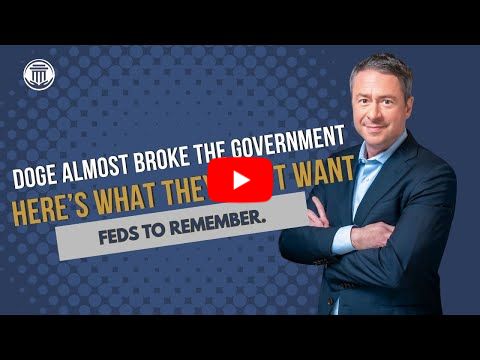
Here's What I Would Tell DOGE If It Had an Exit Interview
|
Gratitude as a Legal and Mental Clarity Tool for Federal Employees
|

Thinking About Federal Disability Retirement?
If your medical conditions make it hard to safely or consistently perform your federal job—even with accommodations—it may be time to explore OPM/FERS disability retirement.
We help federal employees:
-
Decide whether disability retirement is the right path compared to accommodation or reassignment
-
Gather and frame medical evidence so it speaks the language OPM expects
-
Prepare and submit disability retirement applications and related documentation
-
Coordinate strategy when disability retirement interacts with pending discipline, EEO complaints, or MSPB appeals
For most disability retirement matters, we offer full‑service application assistance for a flat fee of $5,000, plus any required costs. In a free consultation, we’ll talk through your health limitations, job duties, and timelines so you understand your options before you commit.
👉 Schedule Your Free Consultation Today
|

Disclaimer:
This briefing is for general informational purposes only and does not constitute legal advice or create an attorney‑client relationship. Federal employment law is fact‑specific and time‑sensitive; you should consult a qualified attorney about your own situation and deadlines. Past results do not guarantee future outcomes.
Your service is worth protecting. Let's protect it together at Southworth PC.

Responses