Attorneys for Federal Employees — Nationwide
Nearly 200,000 federal workers and supporters follow our updates across TikTok, Instagram, YouTube, Facebook, and LinkedIn. Each briefing gives you the three stories that actually matter to your job, plain‑English legal guidance, and one short practice to protect your peace of mind. If it helps you, forward it to a colleague—new readers can subscribe at https://fedlegalhelp.com/newsletter.
Today at a Glance
-
Congress eyes more federal workforce data (and remote work oversight): A new FY 2026 “minibus” would require OPM to publish workforce counts and report on remote work approvals and locality pay ties.
-
Union rights case heads to the Ninth Circuit: AFGE asked appellate judges to keep an injunction in place blocking executive orders that would remove bargaining rights for many feds.
-
Retirement wave continues: New reporting highlights roughly 105,000 retirements and what that means for succession planning—and for you if you’re retirement-eligible.
Top Stories:
1. Congress Seeks More Federal Workforce Details in FY 2026 “Minibus”
Source: Federal News Network — January 12, 2026
TL;DR: A two-bill FY 2026 funding package includes provisions requiring OPM to publish new workforce counts and explain how remote work agreements are approved and tied to locality pay—if Congress enacts it.
For federal employees, this means:
- You may see more agency-by-agency workforce transparency, including counts before the start of President Trump’s term, counts as of Sept. 30, 2025, and current levels.
- Remote work agreements could face more oversight, with OPM required to report on approval processes and any relationship to locality pay.
- It’s a reminder that big workforce shifts can come through funding bills and reporting mandates, not just memos.
Legal Insight:
This is the appropriations process—Congress can fund agencies and add reporting requirements through appropriations acts and explanatory statements. Nothing changes until the bill is enacted, but if it passes, OPM and agencies may have tight deadlines (like 60 and 90 days) to publish data and report to Congress. If you are on a remote work agreement, save your signed agreement, any written eligibility determination, and your current duty-station SF-50, and ask HR in writing how any change would affect your duty station, locality pay, and schedule. If your agency proposes changes, get the proposal in writing, check your union contract and agency policy, and document who told you what and when.
2. AFGE Asks Court to Keep Injunction Blocking Executive Orders Targeting Bargaining Rights
Source: Government Executive — January 13, 2026
TL;DR: AFGE urged the Ninth Circuit to uphold a court order blocking executive orders that would remove collective bargaining rights for a large share of the federal workforce, based on a national security exclusion.
For federal employees, this means:
- Your ability to rely on a union contract, file grievances, or have dues withheld could change depending on how the courts rule—especially if your component is covered.
- The case also raises a practical question: where disputes must be filed first (court vs. FLRA), which can affect timelines and strategy.
- If you are impacted, you may see shifting guidance while litigation continues.
Legal Insight:
Federal-sector bargaining rights generally come from the Federal Service Labor-Management Relations Statute (5 U.S.C. chapter 71), but it allows a president to exclude certain agencies or subdivisions for national security reasons (5 U.S.C. § 7103(b)(1)). The dispute described here includes arguments about whether the orders are a valid national security determination or unlawful retaliation under the First Amendment. If you are in a potentially affected component, keep copies of your collective bargaining agreement, any bargaining/dues notices, and pay stubs showing changes, and ask HR in writing where you should file a grievance or appeal while litigation is ongoing. Because deadlines can be short, consider talking with your union and a qualified federal employment attorney.
3. Retirement Wave: Roughly 105,000 Federal Retirements and What It Means Next
Source: Federal News Network — January 13, 2026
TL;DR: Reporting highlights a large retirement wave and an aging federal workforce, which could create staffing gaps and put pressure on succession planning—especially as OPM faces funding and staffing constraints.
For federal employees, this means:
- If you are retirement-eligible (or close), it’s smart to start planning now and verify your records early.
- If you plan to stay, expect more cross-training, mentoring, and acting roles as agencies backfill experience.
- Agencies may focus more on succession planning and the pace of retirement processing and hiring.
Legal Insight:
Federal civilian retirements are governed mainly by CSRS and FERS in Title 5, and benefits are administered by OPM. If you are considering retirement, pull your records now: keep copies of SF-50s, service-credit documentation, and your latest retirement estimate so you can confirm your service time and pay calculations. Ask HR what timeline they recommend for submitting paperwork and how retirement affects FEHB/FEGLI, TSP, and any unused leave payout. If you run into a dispute about service credit, leave, or an involuntary separation connected to retirement eligibility, document the issue in writing and seek help early through HR and (if applicable) your union.
Legal Tip of the Day
Protecting Your Medical Privacy at Work
When health issues affect your job, you may need to share medical information—but not with everyone. Find out which office handles medical documentation (often a medical or reasonable accommodation office) and send records only there, not to coworkers or general email lists. Keep copies of what you send and ask who will have access. You can usually ask your provider to write clear work-related restrictions rather than sharing your entire medical history. Because every medical situation is different, our firm can help you balance getting the support you need with protecting your privacy and job.
In Case You Missed It
A few quick hits from our recent videos and posts:
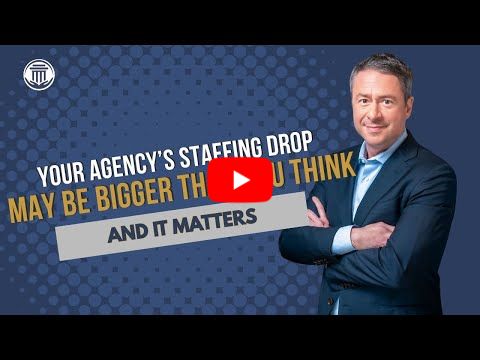
The Hidden Impact of a 10% Federal Workforce Reduction
|
Thinking About Federal Disability Retirement?
If your medical conditions make it hard to safely or consistently perform your federal job—even with accommodations—it may be time to explore OPM/FERS disability retirement.
We help federal employees:
-
Decide whether disability retirement is the right path compared to accommodation or reassignment
-
Gather and frame medical evidence so it speaks the language OPM expects
-
Prepare and submit disability retirement applications and related documentation
-
Coordinate strategy when disability retirement interacts with pending discipline, EEO complaints, or MSPB appeals
For most disability retirement matters, we offer full‑service application assistance for a flat fee of $5,000, plus any required costs. In a free consultation, we’ll talk through your health limitations, job duties, and timelines so you understand your options before you commit.
👉 Schedule Your Free Consultation Today
|

Disclaimer:
This briefing is for general informational purposes only and does not constitute legal advice or create an attorney‑client relationship. Federal employment law is fact‑specific and time‑sensitive; you should consult a qualified attorney about your own situation and deadlines. Past results do not guarantee future outcomes.
Your service is worth protecting. Let's protect it together at Southworth PC.

Responses