Attorneys for Federal Employees — Nationwide
Nearly 200,000 federal workers and supporters follow our updates across TikTok, Instagram, YouTube, Facebook, and LinkedIn Each briefing gives you the three stories that actually matter to your job, plain‑English legal guidance, and one short practice to protect your peace of mind. If it helps you, forward it to a colleague—new readers can subscribe at https://fedlegalhelp.com/newsletter.
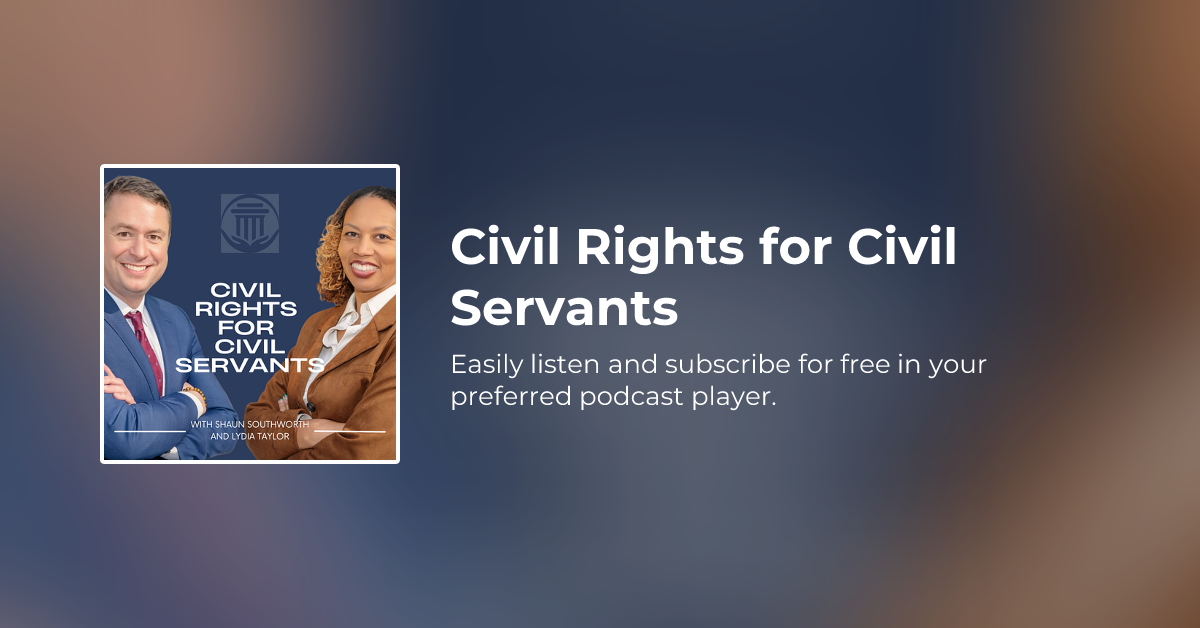
🎧 Listen: Civil Rights for Civil Servants
Shaun Southworth & Lydia Taylor on what's happening to the federal workforce. Latest episode: Apple · Spotify · Amazon Music · Youtube
 |
Today at a Glance
- SHUTDOWN WATCH: The House passed a stopgap funding bill Tuesday, 220-205, extending agency funding at current levels through December 4. The Senate has not yet acted, and current funding still runs out September 30.
- RETURN-TO-OFFICE FALLOUT: A new Federal News Network survey of 7,463 federal employees finds more than three-quarters say they are less productive since returning to the office, and 83% describe the experience as negative.
- TIKTOK ON GOVERNMENT DEVICES: The Justice Department now says the 2022 statutory ban no longer applies to the restructured TikTok — but each agency still decides whether the app is allowed on its own devices.
Top Stories:
1. The House Passes a Stopgap Through December 4 — the Shutdown Question Now Sits With the Senate
Source: NPR, July 21, 2026
TL;DR: The House of Representatives voted 220-205 on Tuesday to extend government funding at existing levels through December 4. Six Democrats joined most Republicans to pass the bill, which now goes to the Senate, where it needs 60 votes and therefore Democratic support. Senate Majority Leader John Thune said he would put a funding plan to a vote before senators leave for the August recess, and that if no deal is reached he would consider using the party-line reconciliation process instead. Current appropriations expire September 30 — just before the midterm elections — and Congress is scheduled to be in session only about four weeks in September, per FEDweek. The stakes are familiar: this Congress has already produced a 45-day governmentwide shutdown last fall and a 76-day shutdown at the Department of Homeland Security earlier this year. FEDweek also reports that the general government appropriations bill is again expected to take no position on a January 2027 pay raise, which would let the administration's recommendation — no general increase, with an unspecified raise signaled only for certain law-enforcement-related positions — take effect by default.
For federal employees, this means:
- The realistic shutdown decision point is late September. Now is the time to review your agency's contingency plan and understand whether your position is likely to be designated excepted (working without pay during a lapse) or furloughed.
- If a lapse happens, the law guarantees back pay for both furloughed and excepted employees once funding resumes — but paychecks stop in the meantime. If the last two shutdowns strained your finances, start building a cushion now.
- On pay: unless Congress affirmatively legislates a raise, the President's recommendation controls. Plan your 2027 budget around the possibility of no general increase.
Legal Insight:
The Antideficiency Act, 31 U.S.C. §§ 1341-1342, bars agencies from obligating funds without an appropriation and from accepting most voluntary services — that is the legal machinery behind furloughs and excepted status. The Government Employee Fair Treatment Act of 2019, 31 U.S.C. § 1341(c), requires retroactive pay for furloughed and excepted employees at the earliest date possible after a lapse ends, regardless of scheduled paydays. And under 5 U.S.C. § 5303 and related pay-setting authorities, the annual federal pay adjustment defaults to the President's alternative pay plan when Congress stays silent.
2. One Year Into Return-to-Office, a Survey of 7,463 Feds Reports Lower Productivity and Sinking Morale
Source: Federal News Network, July 21, 2026
TL;DR: Federal News Network surveyed 7,463 self-selected current federal employees in May about life after the governmentwide return-to-office mandate, and published the results this week. More than three-quarters of respondents said they are less productive than before returning to the office; 53% called the return a very negative experience and another 30% somewhat negative, while fewer than 7% reported a positive experience. Respondents described distractions, cramped workspaces, and technical problems, along with strained work-life balance and morale many described as the lowest they have seen. FNN notes the survey is non-scientific because respondents self-selected. The backdrop: a day-one 2025 executive order directed agencies to end telework and remote-work arrangements, and full-time telework and remote-work hours across the workforce fell by more than 75% between January and October 2025, per FNN's reporting. The survey lands as arbitrators keep ruling that agencies violated their union contracts when they canceled telework across the board — including awards ordering telework restored at the Forest Service (July 10) and the IRS (reported last week).
For federal employees, this means:
- Telework by itself is not a legal entitlement — but a collective bargaining agreement, an approved reasonable accommodation, or a written telework agreement can create enforceable rights. Know which, if any, you have before deciding what to do about a rescission.
- If you need telework because of a medical condition, that is a reasonable accommodation request under the Rehabilitation Act. Make it in writing, and know that denials and rescissions can be challenged — the EEO clock is short.
- Keep factual, contemporaneous records of how return-to-office is affecting your work — space, equipment, and schedule problems. Those records matter if a dispute ends up in a grievance, arbitration, or EEO case.
Legal Insight:
The Telework Enhancement Act of 2010, 5 U.S.C. §§ 6501-6506, requires agencies to maintain telework policies but leaves eligibility decisions to management — which is why most successful challenges have run through negotiated grievance procedures under 5 U.S.C. § 7121 or through disability law. Under Rehabilitation Act § 501, 29 U.S.C. § 791, and 29 C.F.R. § 1614.203, an agency must provide reasonable accommodation — which can include telework — absent undue hardship. An employee challenging a denied or rescinded accommodation must contact an EEO counselor within 45 days, 29 C.F.R. § 1614.105(a)(1). If your telework accommodation was denied or pulled, consult a federal employment attorney promptly — the deadline runs from the denial, not from when the harm sinks in.
3. DOJ: The TikTok Ban No Longer Applies to Government Devices — but Your Agency Still Decides
Source: U.S. Department of Justice, Office of Legal Counsel, July 16, 2026
TL;DR: The Justice Department's Office of Legal Counsel issued an opinion on July 16 concluding that the No TikTok on Government Devices Act no longer prohibits TikTok on federal equipment. The reasoning: after a corporate restructuring, TikTok's U.S. operations are run by a joint venture majority-owned by American investors — a consortium led by Oracle, Silver Lake, and MGX — with ByteDance holding a 19.9% minority stake, so the current app is not "developed or provided" by ByteDance or an entity it controls within the meaning of the 2022 statute. The opinion, signed by Assistant Attorney General T. Elliot Gaiser, formalizes advice OLC gave the White House in March and states that executive branch employees may download TikTok on official devices "subject to the agency's discretion and consistent with all applicable workplace policies." CBS News and other outlets reported the change July 18-19. The statutory ban dates to December 2022, and OMB directed agencies in early 2023 to strip the app from government devices. The practical effect now: the governmentwide legal floor is gone, and each agency's own device policy controls.
For federal employees, this means:
- Do not download TikTok on a government device until your agency's IT and device policies actually change. The OLC opinion lifts the statutory bar; it does not authorize anything at your agency.
- Unauthorized apps on government equipment remain a classic misconduct charge — misuse of government property or IT systems — even when no statute bans the app.
- If your work involves security, contracting, or records obligations, expect agency-specific restrictions to persist; the OLC opinion addresses one statute, not every rule touching the app.
Legal Insight:
The No TikTok on Government Devices Act, enacted in Pub. L. No. 117-328, div. R (2022), directed OMB to require removal of the app from executive agency information technology, which OMB implemented in early 2023 guidance. OLC's July 16 opinion reads the statute not to cover the restructured, majority-American joint venture now operating TikTok in the United States. Agency device policies remain independently enforceable: using unauthorized software on government systems can support adverse action under 5 U.S.C. Chapter 75, up to removal under § 7513. If you are charged with device misuse — TikTok or otherwise — consult a federal employment attorney before responding to the proposal; the response window is short and the charge is often broader than the conduct.
Mindful Moment of the Day
One Email at a Time
When Outlook fills with taskings, follow-ups, all-staff messages, union notices, and leadership updates, it can feel like every email is equally urgent. Your chest may tighten as you scan subject lines and imagine consequences before you have even read the details. Pause before diving in. Put both feet on the floor and choose one email to open first. Read it slowly enough to understand it, then decide whether it needs action, waiting, filing, or a question. The inbox may still be full, but your attention does not have to scatter across all of it at once.
In Case You Missed It
A few quick hits from our recent posts:
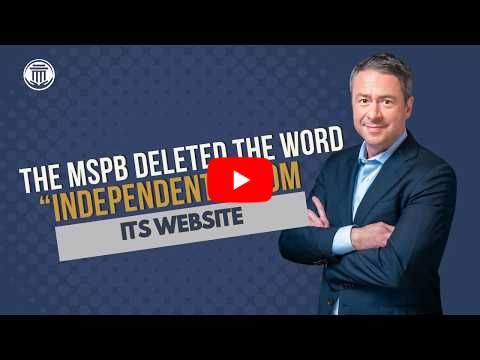
The MSPB Deleted "Independent" From Its Website. Here's What Actually Changed for Your Case.
|
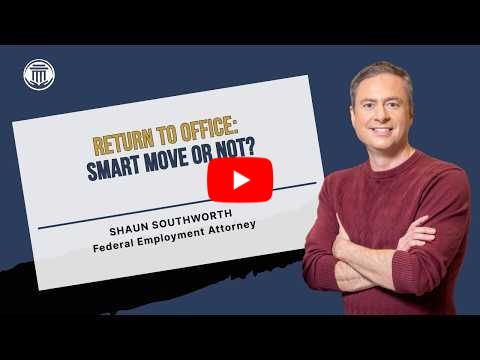
Return-to-Office Orders Are (Mostly) Legal — But Disability Accommodations Are a Different Story
|
What Is a "Mixed Case"? The Federal Employment Term That Controls Your Deadline
|

Worried About Retaliation or Being Targeted for Speaking Up?
If you’ve reported misconduct, safety concerns, discrimination, or waste/fraud/abuse—and now you’re seeing sudden schedule changes, bad performance reviews, or threats of discipline—you may be in whistleblower or retaliation territory.
We represent federal employees who:
-
Reported concerns and then saw adverse actions
-
Were sidelined, reassigned, or given impossible workloads after speaking up
-
Face investigations, PIPs, or proposed removals that look like payback
-
Need help navigating OSC complaints, EEO claims, or MSPB appeals tied to retaliation
A free, confidential consultation can help you sort out what’s normal agency behavior and what may cross the line—and what to do before your options narrow.
👉 Schedule Your Free Consultation Today
|
Disclaimer:
This briefing is for general informational purposes only and does not constitute legal advice or create an attorney‑client relationship. Federal employment law is fact‑specific and time‑sensitive; you should consult a qualified attorney about your own situation and deadlines. Past results do not guarantee future outcomes.
Your service is worth protecting. Let's protect it together at Southworth PC.

Responses